From Violin to Brush
How a classically trained violinist discovered botanical watercolour during lockdown.
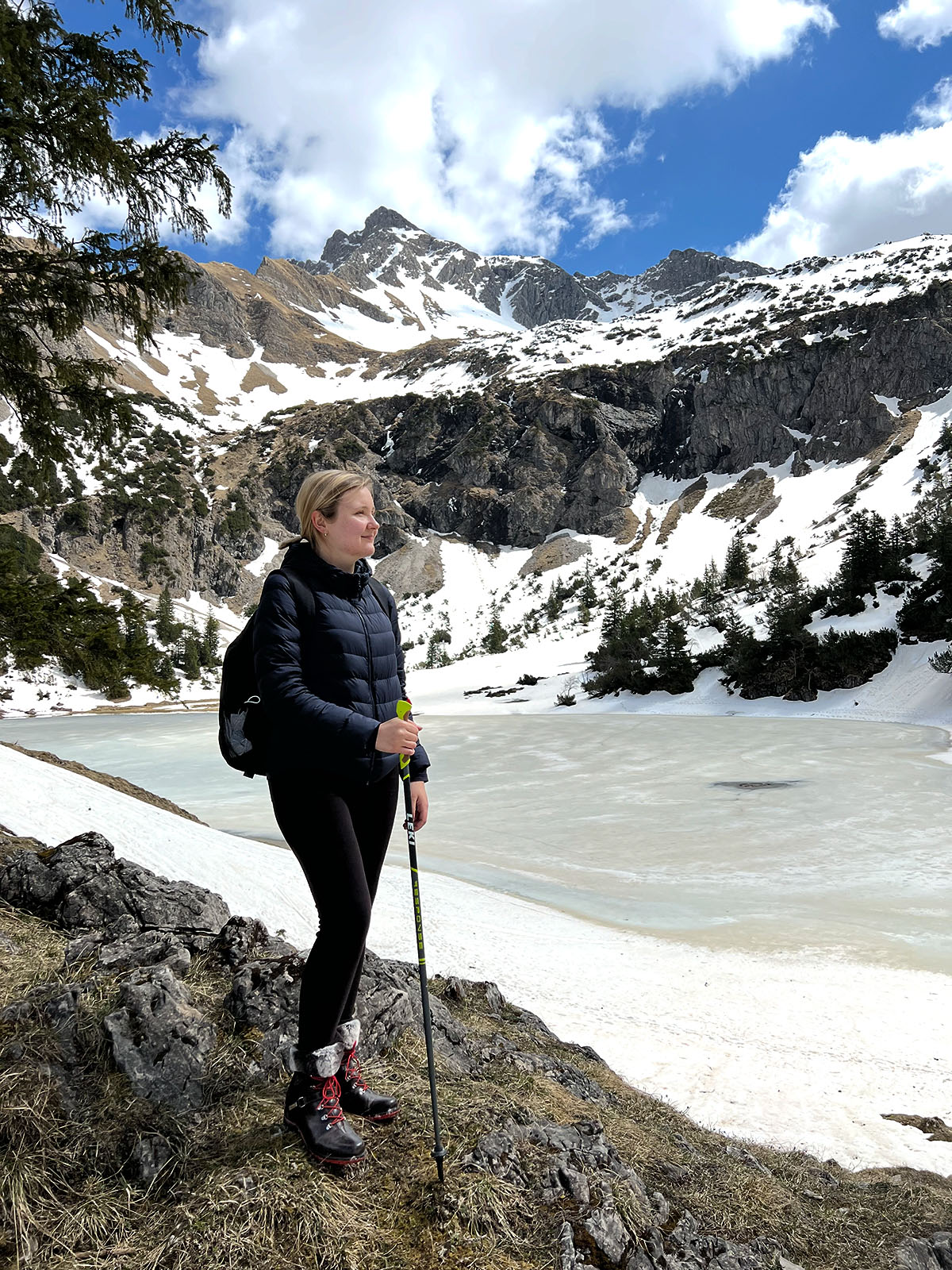
“Watercolour is for the clever ones” — that’s what they told me at art school as a child, while I was dutifully allowed to paint with gouache. Well, look where that got me. My name is Daria Beizerov, and it was 2020, somewhere between lockdown boredom and the search for something of my own, when I bought a watercolour set and tried every direction at once.
Until one day I saw a botanical watercolour on Instagram that literally took my breath away — it was by Maxim Shirshin, and in that moment I recognised something I had long known from music: that painting, especially by the most experienced artists, sometimes reaches the same level of poetry as the great classical works, the same ability to leave you speechless. I was head over heels. There was no going back.
Painting, especially by the most experienced artists, sometimes reaches the same level of poetry as the great classical works — the same ability to leave you speechless.
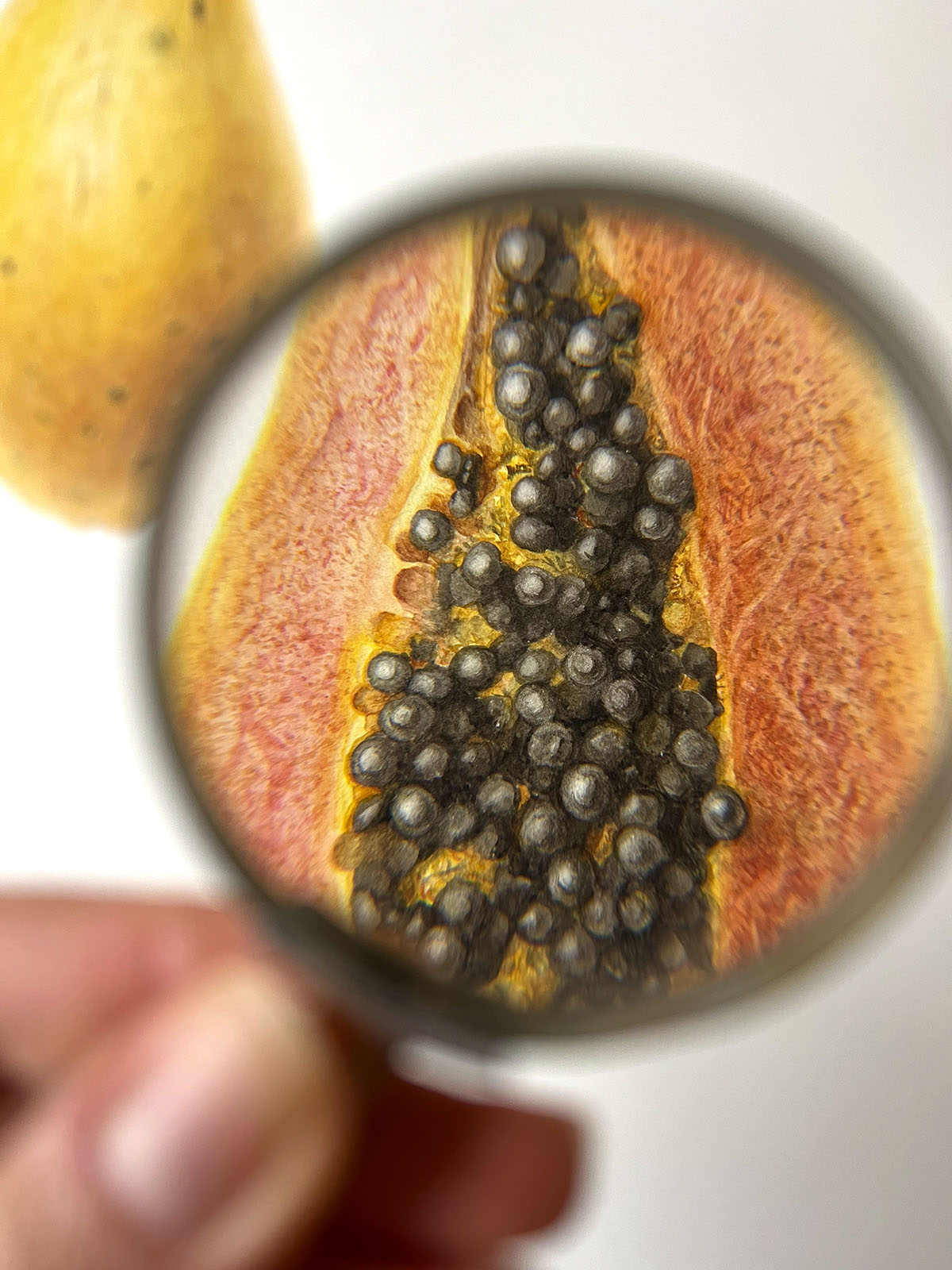
I had always felt drawn to plants and to drawing. As a child, I painted everything tiny — small, detail-rich worlds — and from modelling clay I shaped things you could only see with a magnifying glass. That love for the smallest detail never disappeared, and in botanical watercolour painting it has finally found the place where it is not just tolerated, but actively desired.
The Violin and the Brush
For nearly three decades I have been a classical violinist, travelling everywhere across Europe, always on the move, always living for the next performance — orchestra, chamber music: a high-performance sport where you can barely sleep from adrenaline after a concert, yet must continuously keep a finished piece in shape, or it slips into oblivion. Since my daughter was born two and a half years ago, my musical life has naturally changed — fewer trips, a different rhythm — but music remains a central part of my life.
Painting, on the other hand, gives me something entirely different: stillness and slowness. A world in which I am alone, in which time barely matters, in which I can get up from the table whenever I want, without the rigidity of performance. And when a painting is finished, it is finished — a completion that endures. Yet I bring everything I know from music: the discipline of daily practice, the capacity for analytical thinking, the love of precision. And it is precisely this approach — guiding the brush like a violin bow — that has led me into the whole world of pigments, to my carefully considered palette, to the testing and documenting in my Pigment Journal. I simply want to understand how colours work, how they interact, what they can do and what they cannot.
The World of Plants
The world of plants fascinates me in its enormous diversity: colours, textures, transparency or its opposite. And I find incredible pleasure in searching for technical solutions to capture what I see. But there is also this quiet mortality that moves me — plants change from day to day, hardly noticeably, yet in winter they fall asleep or die entirely, only to grow anew from seed in spring. And these cycles, this transience, have something deeply calming about them.
I visit the botanical garden in every city I travel to, and this summer I discovered blooming Jasmin Sambac at the Palmengarten in Frankfurt — an encounter with a phenomenal scent that simply won’t let go of me. I love white flowers in perfumery: jasmine, gardenia, the blossoms of citrus trees. Even when I can’t wear them, their fragrances fascinate me — that elegance and intensity.
Finding My People
Through Instagram I discovered the Society for Botanical Art Germany and immediately signed up, because I wanted to finally find people who understand why you can philosophise for hours about the right green mixture, or why a single flower petal is worth a week of work. Kindred spirits, at last. I can hardly wait to see what we will achieve together.
Watercolour really is for the clever ones — but above all, it is for people who can lose themselves in colours, in forms, in the infinite patience that a plant demands of us.
Botanical painting is more than an art form for me — it is the place where everything comes together: my childhood love of tiny details, my musical discipline, my fascination with the plant world, and my longing for stillness. And yes, watercolour really is for the clever ones — but above all, it is for people who can lose themselves in colours, in forms, in the infinite patience that a plant demands of us.
Originally published in the Journal of the Society for Botanical Art Germany (VBKD), Nr. 11, February 2026.
Studio Letter
My Signature Palette


