
Summer 2026
The Foundations Atelier
Before I decide how to paint, I make sure I know what I am painting.
A small live class in botanical watercolour, in English.
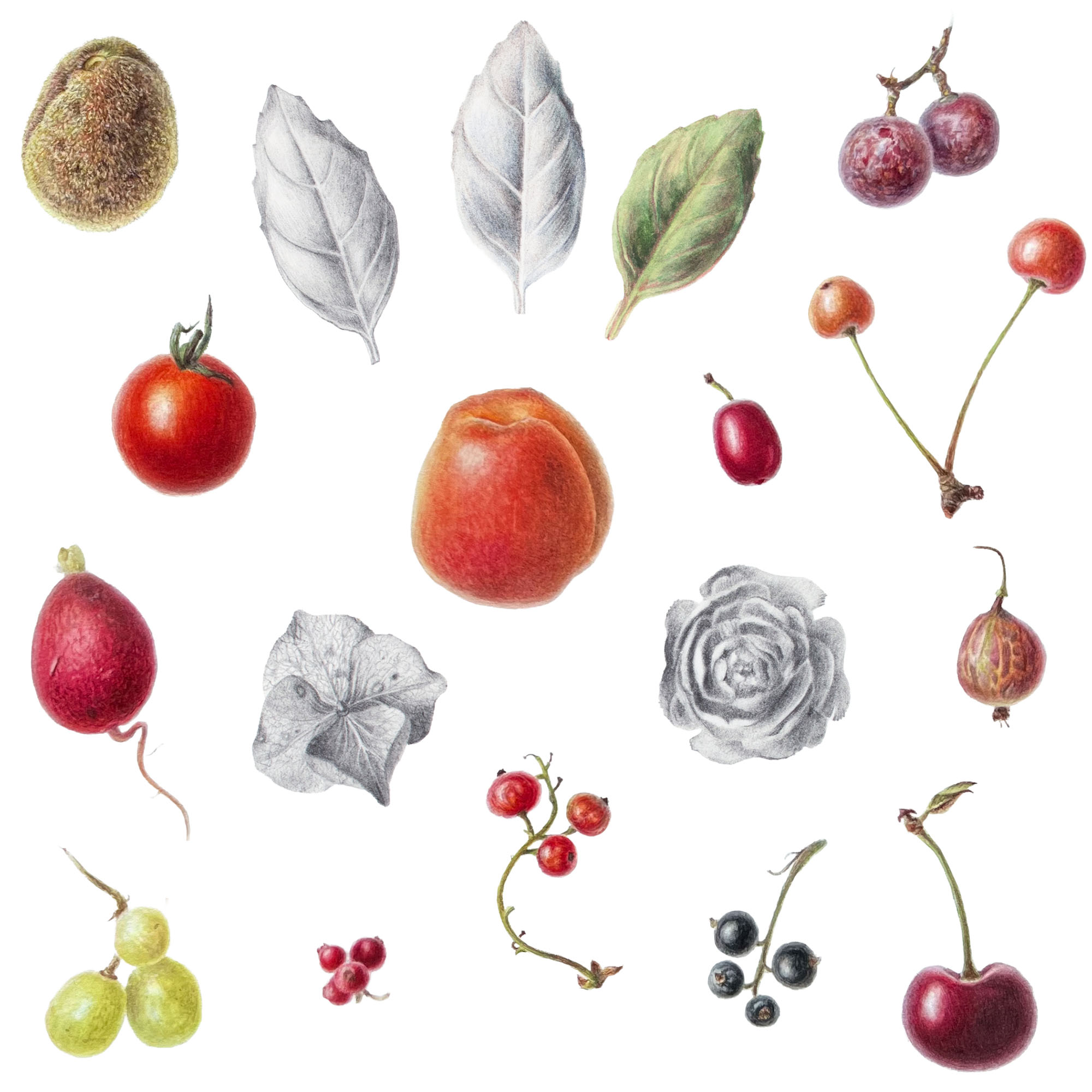
From line to a finished painting.
Six guided sessions, six steps in the same journey. Line first, then tone. Then watercolour foundations (washes, layering, brushwork) and the mixing logic that holds the whole thing together. The last two sessions are the painting itself: the early layers, then the finish. There’s a reason for each step, and a reason for the order. Depth builds layer by layer: that’s how watercolour holds its light.
For this first class we paint a mangosteen. A round subject, because round is the most common form in nature: what you learn on a mangosteen carries straight into almost every other botanical study you’ll make afterwards.
Every week comes with preparation before the session and homework after. Both are short, both are precise. The atelier asks for real commitment: there is no other way to learn this.
We begin on Friday 19 June and run six Sundays. When the six sessions close, you have two weeks alone with a painting of your own choosing: your capstone. We come together one last time, on Sunday 9 August, for the live critique: every painting in the group, seen and named on its terms.
By the end of summer you’ll know how to start your own paintings: to see, to mix, to lay down colour in the right order so the work reads both beautiful and botanically correct. And you’ll have done it in a group, the way painting has always been best learnt.
-
1Line and ProportionsFri 19 Jun
We start by looking, not drawing. I’ll explain the rules of a botanical outline: faint enough that a kneaded eraser lifts almost all of it away without bruising the paper, exact enough to set the proportions for everything that follows. Together we make a line drawing of the mangosteen.
-
2Tonal SeeingFri 26 Jun
Alongside mixing, tone is one of the two pillars of this atelier. Tone describes the object: get it right and colour becomes secondary. Together we read the mangosteen in tone, and I’ll show how surface, local colour and form shape the entire tonal life of the object.
-
3Watercolour FoundationsFri 3 Jul
Water control is what makes watercolour work. We practise the three states (wet on wet, wet on dry, dry brush) as well as edge control, glazing and lifting. I’ll also talk about what each pigment brings beyond its colour, and why a palette needs tonal richness, not just variety.
-
4Mixing & Pigment LogicFri 10 Jul
Mixing is the other pillar of this atelier. The colour space has four corners (saturated brights, saturated darks, light neutrals, dark neutrals) and to paint colour honestly, the palette has to reach into all of them. Before you mix, you describe what you see: read a local colour for what it actually is. Then comes the mixing itself: on the palette, optically through layering and glazing, and the secondaries and neutrals that fill out the range.
-
5A Full Painting, Part IFri 17 Jul
The painting begins. This is where sfumato enters: the soft transitions that turn a round shape into a dimensional one. Everything from the four weeks before comes alive here: water control, brushwork, mixing, tonal sense. I work two paintings side by side: on one, the form first and colour later; on the other, the modern way: colour in slow layers, the form emerging through them. You follow one live; the recording lets you try the other at your own pace.
-
6A Full Painting, Part IIFri 24 Jul
Today we work the surface itself. The mangosteen’s matte, leathery skin asks for texture, not just colour: small lifts find the rough patches, final strokes catch the last details. We polish until the piece is done. Then your capstone is briefed: a subject of your own for the two weeks ahead.
-
Two weeks of independent workMon 27 Jul
Your capstone weeks. Choose a subject of your own and apply everything from the six guided sessions. I’m reachable for short questions; the Drawing Room stays open until critique day.
-
7Live Capstone CritiqueSun 9 Aug
Ninety minutes, your finished capstone, real critique. Generous about what’s working, honest about what’s still finding its form, and forward-looking: one concrete thing to carry into the next piece, a habit or a constraint or a question to keep chasing. Every painting is seen on its terms, between us in the class and nowhere beyond. The recording stays in your member space, just for the twelve of us.
-
Lifetime access: recordings & materials
Recordings, materials, your member space: yours for as long as Daria.Gallery runs. You can return to any session, any time.
No app required. Every session is recorded for you.
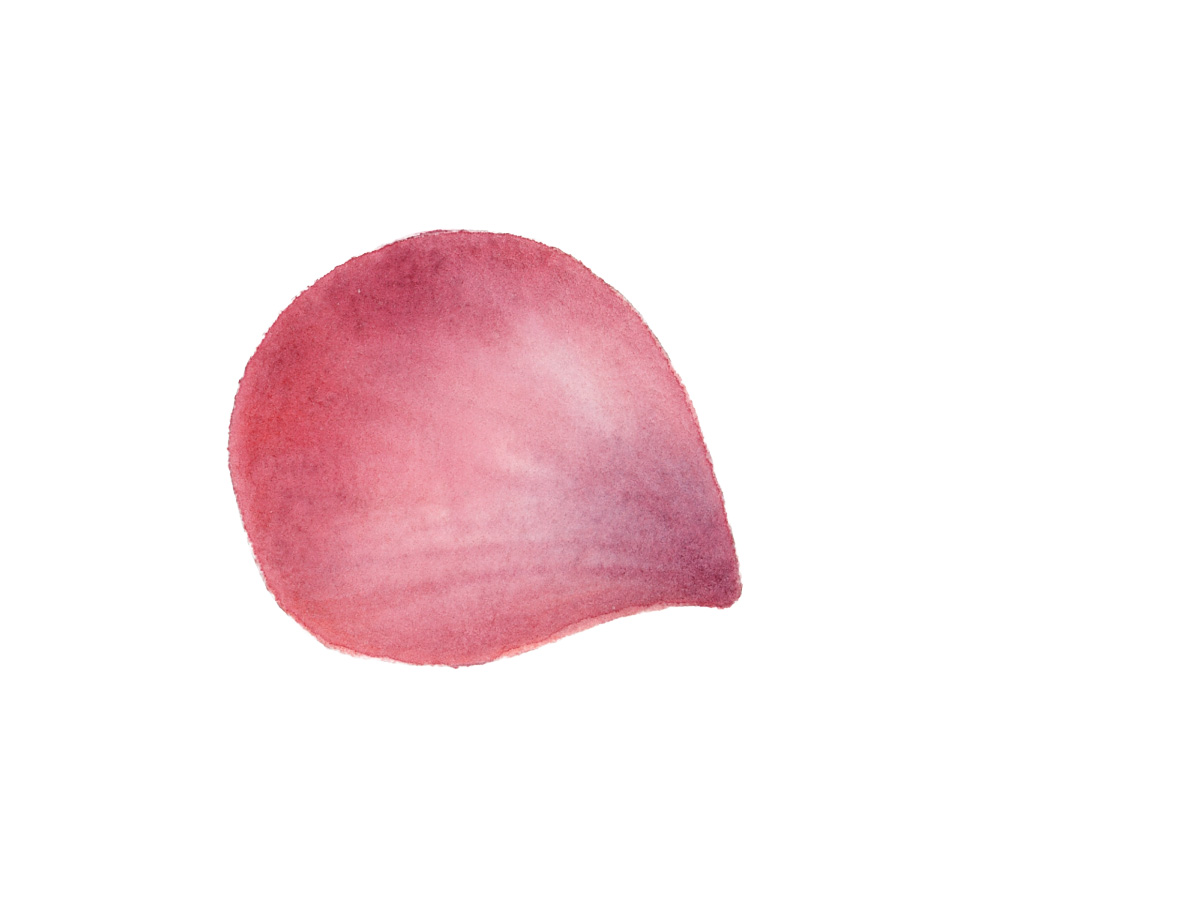
The shadow on the right is doing the work — very soft and transparent. Pay attention to the edges: if there is too much water, the pigment will form a harsh line there. Lift the excess with a damp, clear brush around the edges if needed. The colour choice is very harmonious and cohesive…
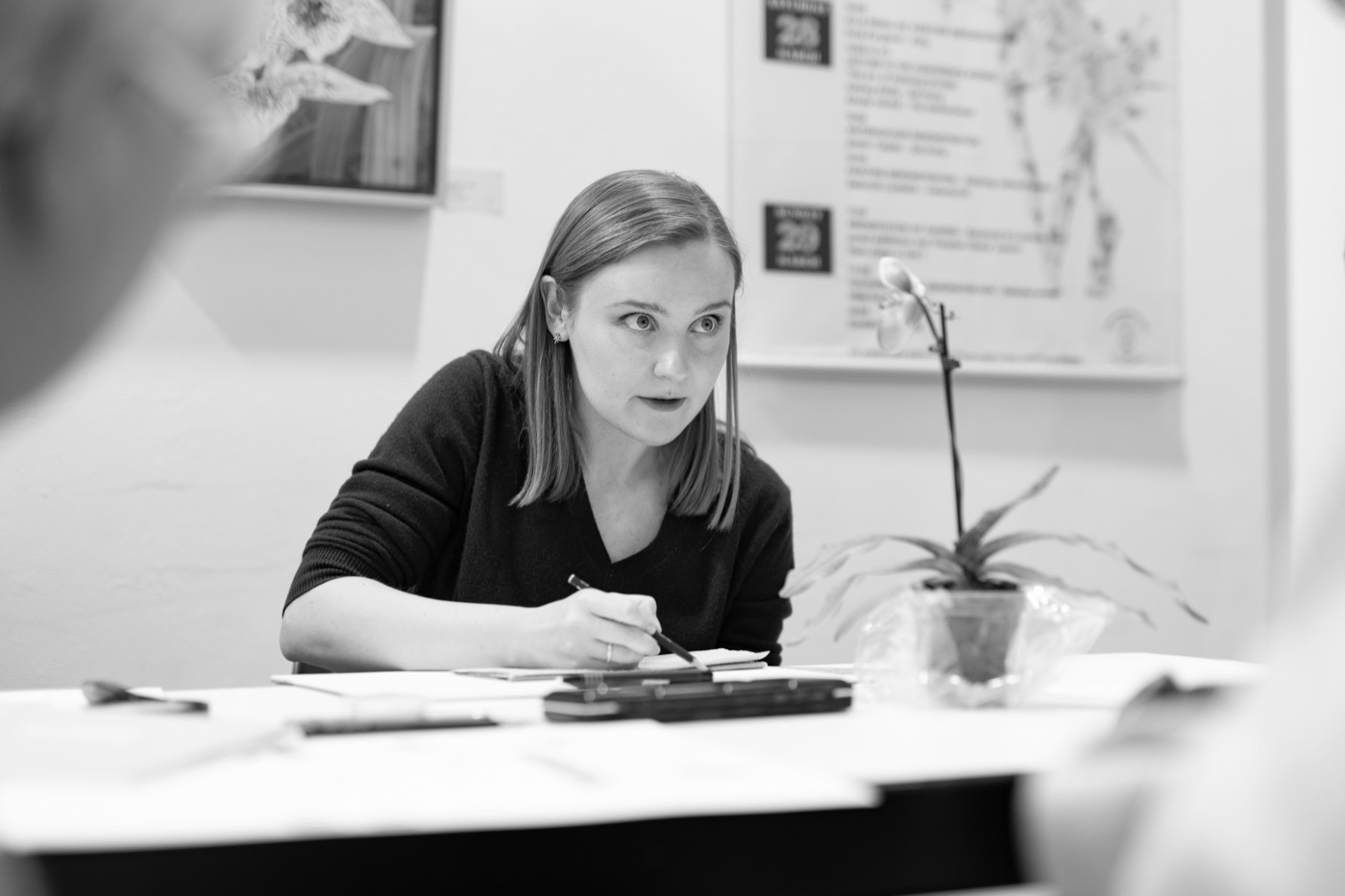
A violinist’s precision, applied to pigments.
A classically trained violinist before I was a botanical watercolourist: Master of Music, Folkwang, three decades of musical training. Twenty years of teaching followed, first violin, then watercolour.
That long apprenticeship to classical pedagogy taught me one thing more than anything: painters can copy a teacher’s work beautifully and still freeze when they have to start something of their own. That’s the real gap. The atelier is built to close it: practise each step until you’ve built your own way of doing it, not borrowed mine.
The third-place award at the 24th World Orchid Conference 2026 was the first time both disciplines fully met.
Your session week.
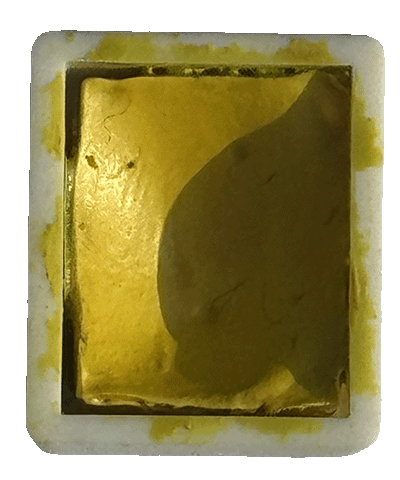




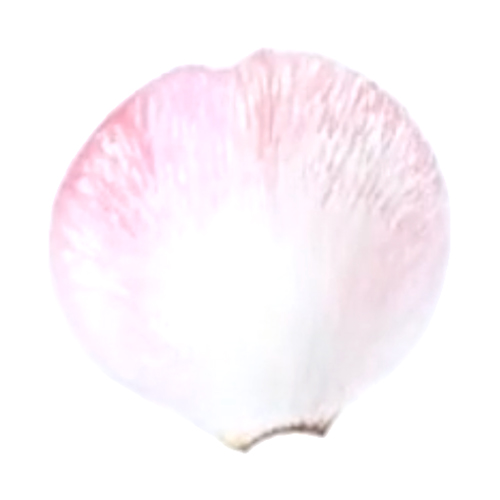
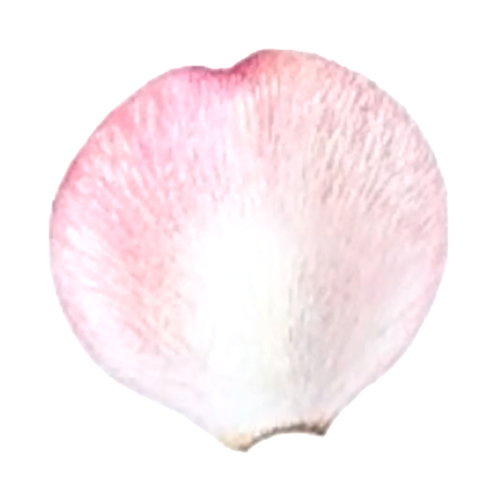
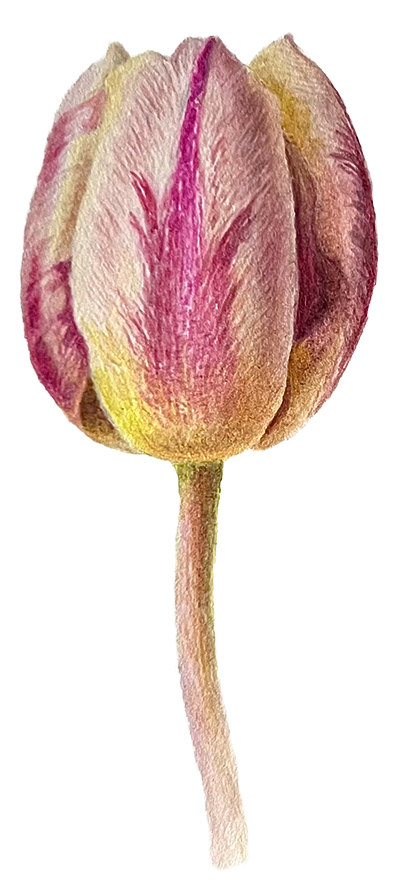
Friday Prep
Pigments laid out, brushes set, paper waiting. Friday opens the week: quietly, in your own studio, with the prep notes and small practices I leave in your member space the day before.
Sunday On air
Sunday evening, ninety minutes painting together. I paint; you paint alongside me, watching every decision unfold on the page. The chat stays open the whole time. Nothing needs to land all at once: the recording is yours afterwards, to revisit any moment in your own time.
Wednesday Submission
By Wednesday you’ve taken Sunday’s lesson into your own hands. The homework changes its shape week to week: an exercise, an observation, a colour to chase, layers on your painting, whatever the lesson asks for. Doing it yourself is how the lesson becomes yours. It lands in my inbox before the next session. If a week ever gets in the way, just write: we make it work.
Thursday Reflection
Thursday my notes arrive in your member space. Generous about what you got right, honest about what could still grow, attentive to what to try next. Some weeks they’re words, some weeks they’re marks laid quietly over your work. By evening the week is closed, and Friday opens again.
What you’ll bring with you.
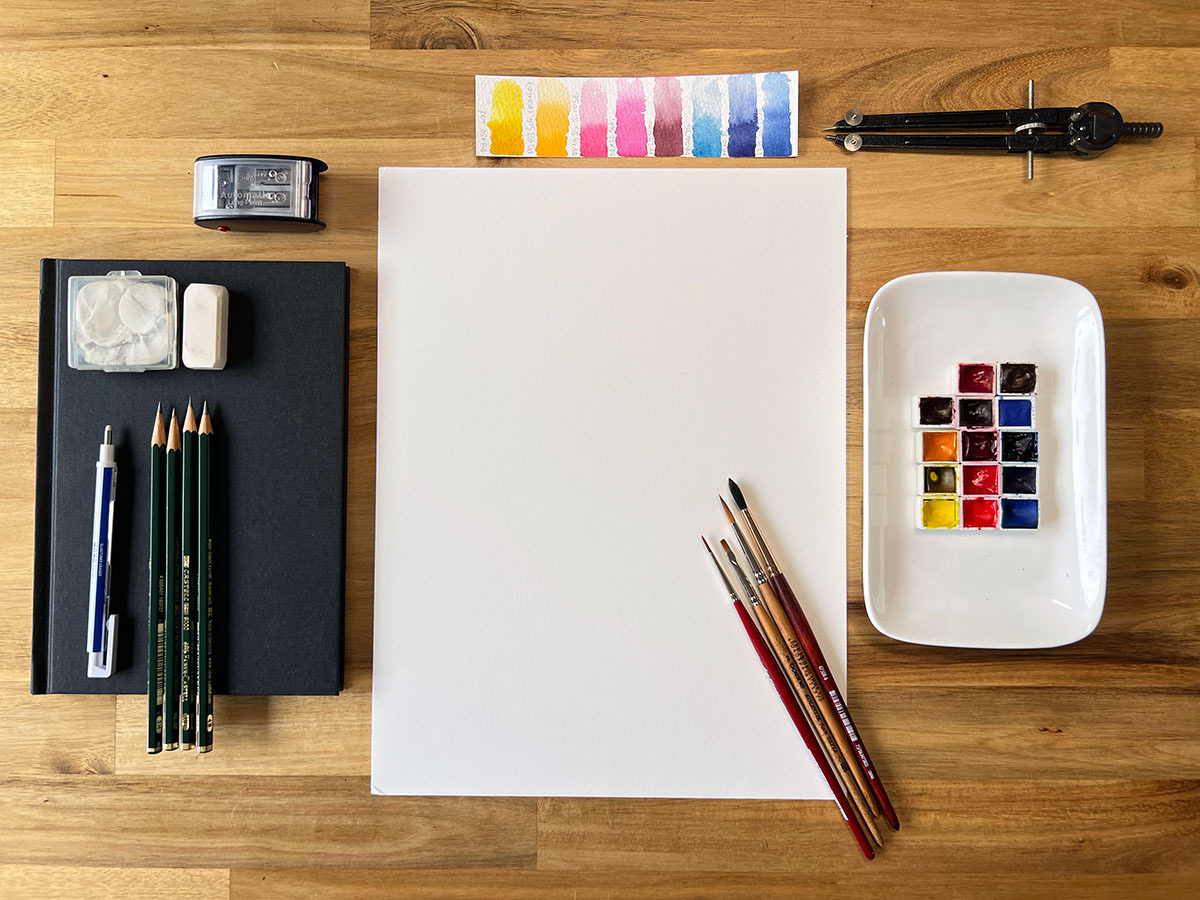
You’ll need professional‑grade materials: graphite pencils, a kneaded eraser, a sketchbook, 100% cotton hot-pressed watercolour paper, two or three round brushes that hold a sharp point, a ceramic palette, and single-pigment, lightfast watercolours built around primaries. The complete list (exact pigments, brands, and affordable substitutes) is waiting in your member space.
Plan for around thirty to forty hours over the eight weeks: six live sessions, weekly homework, and the two-week independent project. The homework is short and precise. Constraints are the promise, not the penalty: you’ll know exactly what to make, on what paper, by when.
Live attendance is what makes this an atelier. The recording stays with you: for the week you cannot make it, or to revisit later. The live hours are what we built this around.
For whom.
The atelier is for painters who’ve been at it a while, mostly on their own, and have hit a wall that tutorials can’t take down. If you’re still finding your way into watercolour, if you’ve never sat down with proper materials, the better starting point is the free Signature Palette guide and the live painting sessions on daria.gallery/live. They’re yours, no cost.
You might recognise yourself in this:
- You can paint along beautifully with a teacher and freeze the moment you choose your own subject.
- Your palette has too many colours and you’re no longer sure which ones earn their keep.
- You’re copying without really seeing.
Some of you come from years of self-teaching: books, free tutorials, your own studio. Others arrive from another practice altogether (oil paint or landscape work, perhaps), wanting to begin botanical watercolour properly from the start. Both are home here.
If this sounds like you, the atelier is built for the slower, patient way through.
This is what I’m building it for:
I cannot even recall the last time I spent an evening painting until midnight, before yesterday. It feels shocking how much motivation impacts your energy levels. I went from drained, nauseous to touch my sketchbook, to enthusiastic again without having to force it.
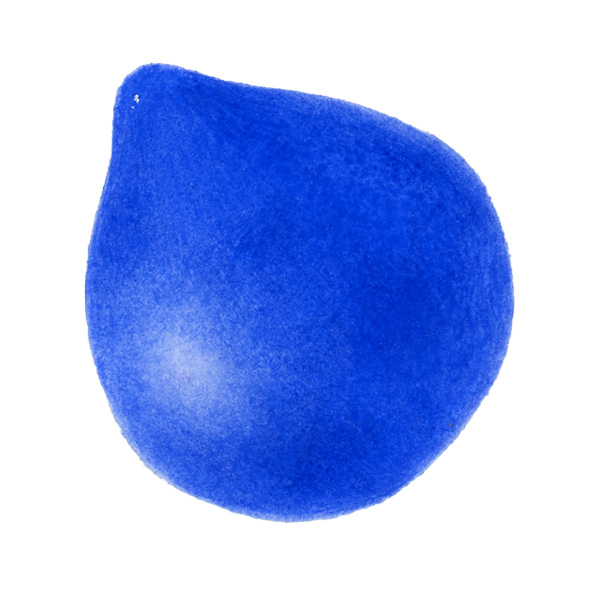
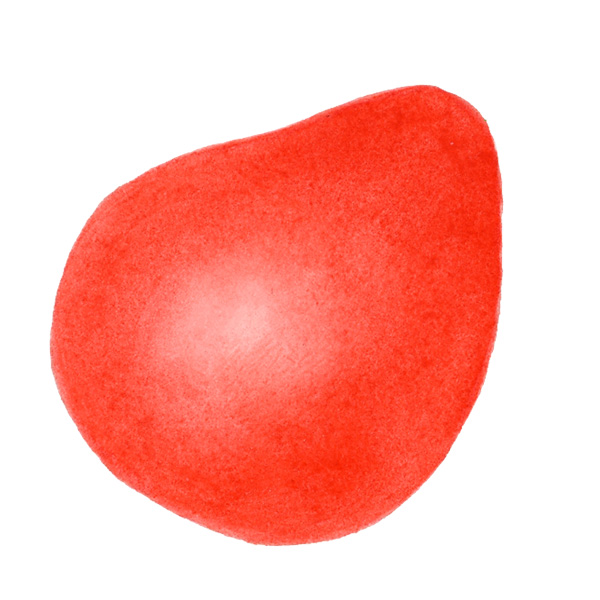
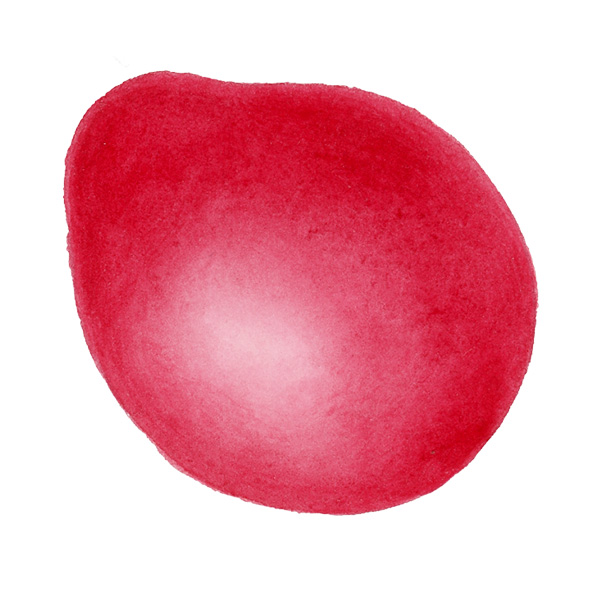
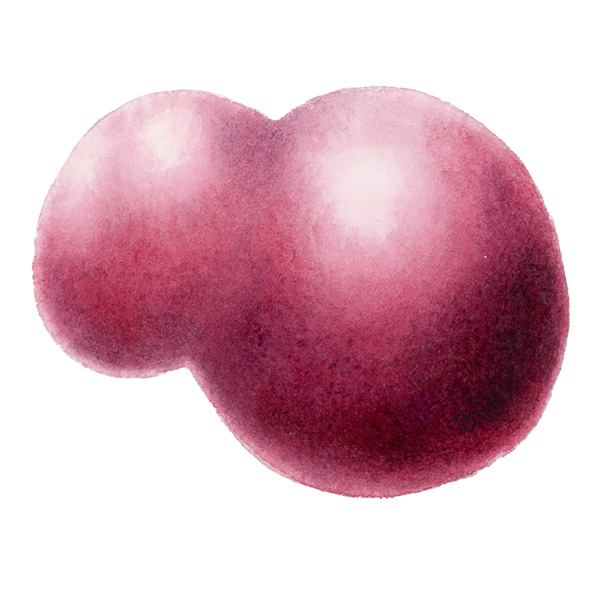
A small selection of colour and wash studies from the spring Mentoring round.
Apply.
I read every application myself. If it fits, I’ll write back personally with the next step. If the fit isn’t right for this class, I’ll tell you that too, gently, and with a suggestion for where to begin instead.
Applying costs nothing. It commits you to nothing: even if I say yes, the place is yours to take or leave.
Twelve places. €349 each. Applications close Friday 12 June.